The Costs of Toughing It Out Alone
Aug 28, 2026
What It Costs Caregivers and the Children Who Depend on Them
Many caregivers get through the hardest stretches by not asking anyone for anything. They keep the routine running, keep meals on the table, keep showing up to pick up, appointments, and after-hours phone calls, and they do it without naming what any of it is costing them. This is not a failure of character. It is often the most efficient way a caregiver knows to keep everything moving, and for a long stretch of time, it works.
Two Lenses: What Caregivers Carry, and What Surrounds Them
Toughing it out alone is rarely explained by one cause. It sits at the meeting point of two lenses: what is happening inside the caregiver, and what is happening around them, and the two reinforce each other.
The personal lens starts with fear of being seen as weak. Caregiving identity is often built around being the one who provides, and admitting difficulty can feel like admitting failure in the role itself, so many caregivers stop sharing where they are at, even with people who would help without judgement. Silence becomes a form of protection: if no one knows how much is being carried, no one can see it as too much.
The environmental lens is what a caregiver is working against even when they are ready to ask. A day already full of appointments, meals, school runs, and everyone else's needs leaves no visible gap for investing in themselves, and a body that has adjusted to a heavy load stops registering it as unusual. Add a workplace, school, or service system that has, at some point, treated help-seeking as a sign of struggling to cope, and the conditions around a caregiver actively teach that disclosure carries a cost. Even a caregiver who does ask can meet a system that responds with apathy toward individual-level support, because budget constraints make group programs and crisis response easier to justify than one caregiver's ongoing capacity, and that indifference confirms the fear that asking was not going to be worth it.
Neither lens works alone as an explanation. Fear of being seen as weak is easier to act on when the system around a caregiver has already signalled that struggling openly is risky, and a caregiver with no time to invest in themselves has less capacity left to push back against that fear even when they want to. Toughing it out alone is what a person and their environment build together, and both need to be addressed for it to shift.
What Carrying It Alone Costs the Caregiver
A nervous system carrying sustained stress without relief moves into ongoing activation: attention narrows to threat and task, and patience is often the first resource to run short. Caregivers in this state can still manage the visible parts of the role, the logistics and the schedule, while the relational parts, the warmth, the presence, the capacity to sit with a hard moment rather than rush past it, quietly thin out. This is not a lapse in care or commitment. It is what a body under sustained stress does, and it happens to conscientious, capable caregivers as readily as anyone else. Not sharing where they are at, with a partner, a friend, or a colleague, keeps this invisible to the people best placed to ease it, so the load continues to build without anyone positioned to help carry it.
Sustained activation, compassion fatigue, and the slow erosion of patience and presence do not announce themselves. They accumulate in small moments: a shorter fuse at bedtime, less appetite for a child's tenth question of the day, a felt distance from a relationship that used to feel effortless. Naming this early, before it compounds, is what keeps it from reshaping the caregiving relationship itself.
What Children Feel When a Caregiver Is Carrying It Alone
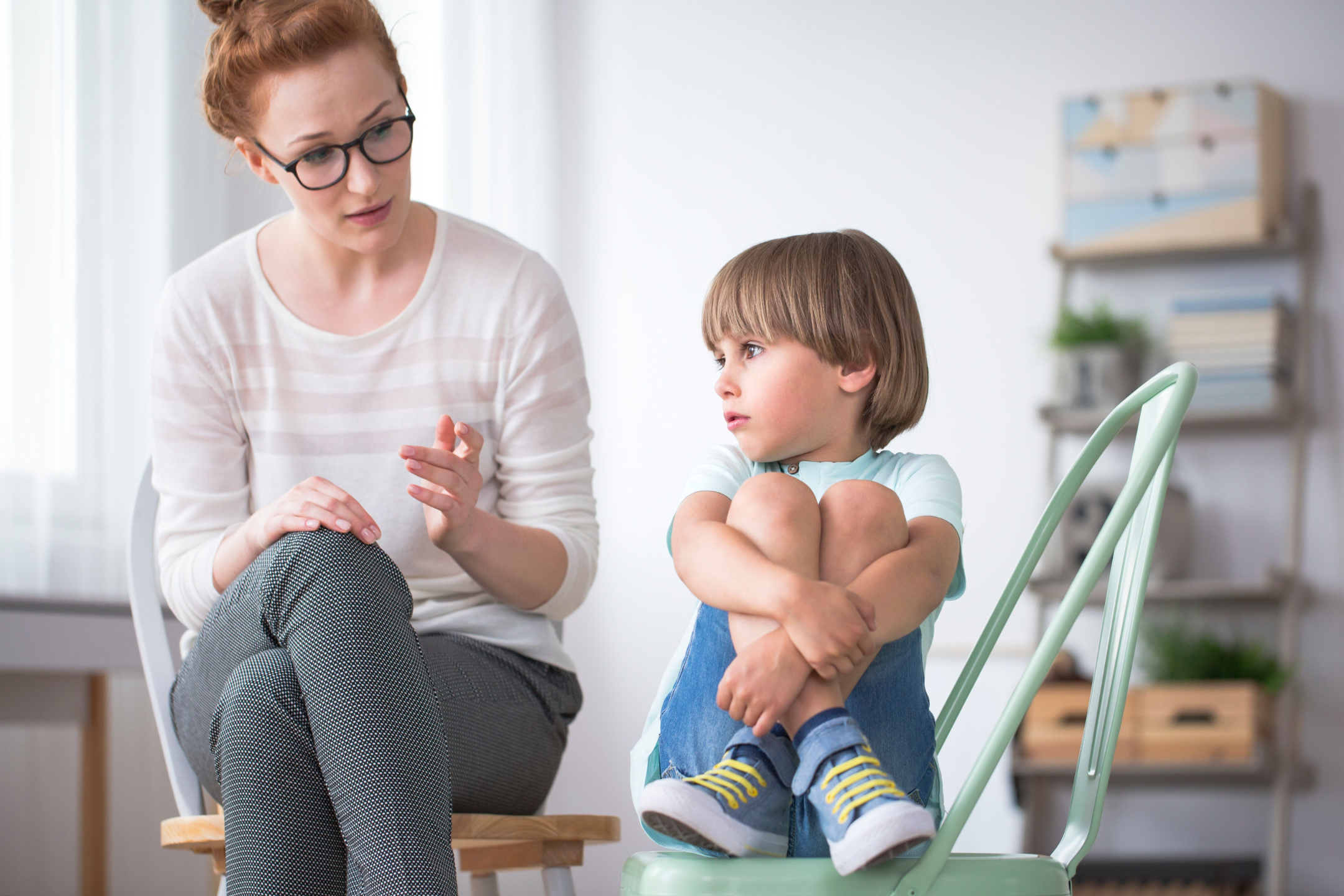
Children do not need the details of what a caregiver is holding to feel its effects. Co-regulation, the way a calm and steady adult nervous system helps a child's nervous system find safety, depends on the adult having some regulation available to lend. When a caregiver's own capacity is stretched thin, children often respond first, through behaviour that reads as defiance, withdrawal, or heightened reactivity, well before anyone names what is happening underneath. A child's felt sense of safety, the quiet, ongoing sense that the adults around them can hold steady, is built moment to moment through consistency and presence, and it is the first thing to lose ground when a caregiver is running on empty.
Children are also remarkably responsive to repair. A caregiver does not need to be regulated every moment to protect this sense of safety; a relationship that ruptures and then reconnects teaches a child as much about safety as one that never ruptures at all. What matters is that the caregiver has enough capacity, somewhere in the system around them, to make the reconnection possible.
Toughing It Out Is Not the Only Option, and It Never Reflects Capability
Caregivers who reach a point of drawing on support are not weak, and they have not failed to cope. They are caregivers who have recognised that a shared load moves further than a solo one, for them and for the children watching how they handle it. Children learn as much from watching an adult draw on support as they do from watching an adult struggle silently, and what they learn from the first is that needing help is a normal, manageable part of a full life.
If this is landing because it sounds familiar, the smallest, supporting step is rarely a big one. Noticing a pattern, being curious, and reaching toward a single, low-commitment source of support can be enough to shift the load before it reshapes the caregiving relationship itself. Inner Resonance Global works alongside caregivers building exactly this kind of capacity, at whatever pace fits the life already being carried.
Author